Acro Dance Classes in Melrose, MA
Safe, Certified Acrobatic Dance Training for Ages 5–18
Looking for acro dance classes near Melrose, MA that prioritize safe progressions, proper technique, and true artistry? At Melrose Dance Academy, we combine the fluid grace of dance with the athletic excitement of acrobatics—helping dancers build strength, flexibility, and confidence that elevates every style they perform.
What is Acro Dance?
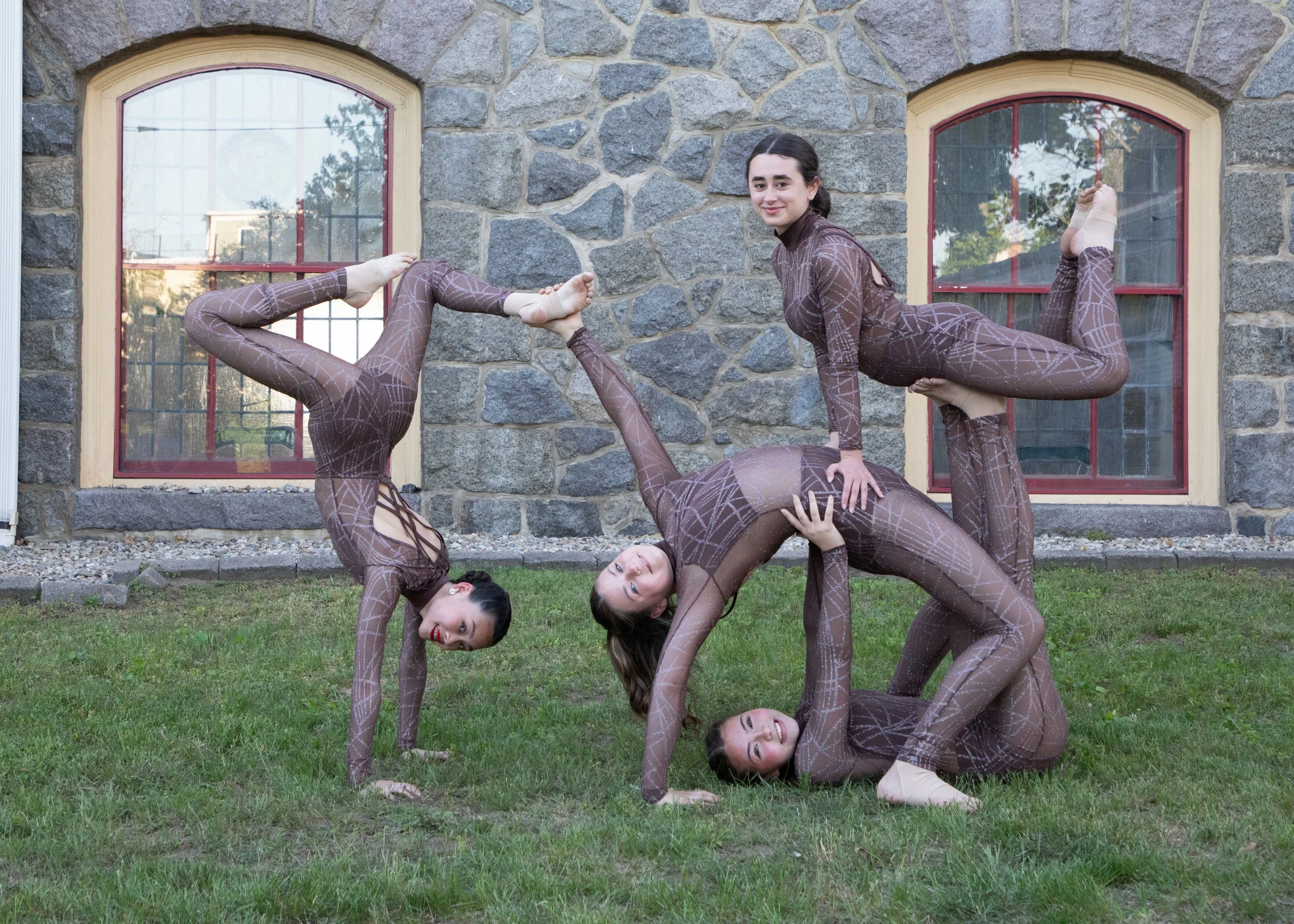
Acro dance is a specialized art form that seamlessly blends classical dance technique with precision acrobatic elements. Through structured, progressive training, students develop the specific muscle control, balance, flexibility, and tumbling mechanics needed to execute tricks smoothly inside dance choreography—without interrupting the musicality or flow of a routine.
Adding acrobatic dance to a student's weekly training reinforces core strength, body alignment, and spatial awareness across all other genres, including ballet, jazz, lyrical, and contemporary.

Why Choose Melrose Dance Academy for Acro Dance?
Not all tumbling or acro programs are taught the same way. When parents search for acro classes, safety and qualified instruction matter most. Here is what sets Melrose Dance Academy apart from other local studios:
Certified ADTA Instructors: Our instructors follow the internationally recognized Acro Dance Teachers Association (ADTA) syllabus, ensuring every trick is broken down into safe, developmentally appropriate progressions, no rushing skills before a dancer's body is ready. ADTA is a structured, progressive curriculum developed by the Acro Dance Teachers Association specifically for acro in the dance studio setting. What does that mean for your dancer? Every skill is taught in the right order, at the right time, with safety leading the way. Instead of jumping to impressive tricks, the syllabus builds the strength, flexibility, and technique underneath each skill first — so when your dancer does achieve that walkover or aerial, their body is truly ready for it.
Here's what you'll notice in our classes:
Clear levels and progressions — your dancer always knows what they're working toward and what comes next
Safety-first teaching — proper warm-ups, conditioning, and hands-on spotting are built into every class
Mastery before advancement — skills are earned through readiness, not rushed for performance
Real progress you can see — a consistent curriculum from one season to the next, not a different approach every year
Dance-First Technique (Acro vs. Gymnastics): Unlike traditional gymnastics—which relies on spring floors and stops momentum before and after tumbling passes—our classes teach dancers how to control their bodies on a standard dance floor and transition fluidly into and out of tricks.
Strong Technical Foundations: To protect our dancers and maintain high artistic standards, students enrolled in Junior II Division Acro and higher are required to take a concurrent Ballet or Jazz class. Strong dance foundations make for safer, cleaner acrobats.
Clear Skill Readiness & Testing: Dancers advance through our divisions based on individual mastery and readiness rather than age alone, ensuring a supportive, injury-free environment where students build lasting confidence.
Acro Dance Class Levels & Requirements
We offer structured, progressive divisions for beginners through advanced dancers in Melrose, Wakefield, Stoneham, Malden, and surrounding North Shore communities.
Pre-Junior Acro (Ages 4–6)
Experience: No experience required.
Overview: An introductory beginner acro dance class where young dancers develop gross and fine motor control, kinesthetic awareness, and foundational acro body shapes and tricks. Students also build classroom readiness—practicing focus, listening, and cooperative skills in a fun, encouraging setting.
Typical Timeline: 1–2 years before advancing.
Pre-Junior II Division (Ages 6–8)
Experience: Builds on Pre-Junior foundations.
Overview: Designed to prepare young dancers for the structure and intensity of our Junior Division. Students refine motor skills with a stronger emphasis on strength, flexibility, balance, and proper body alignment. Dancers work on bridges, balances, cartwheels, controlled rolls, and introductory partner work while learning to connect acrobatic movement into dance.
Typical Timeline: 1–2 years, depending on individual readiness.
Junior Division (Junior I & Junior II)
Experience: Mastery of Pre-Junior fundamentals.
Co-Requisite: Dancers advancing to Junior II are required to enroll in a Ballet or Jazz class.
Overview: A dynamic, technique-driven class featuring a dedicated 25–30 minute warm-up and conditioning block to safely prepare the body. Dancers expand their vocabulary with clean cartwheels, handstands, chest stands, elbow stands, walkovers, bridge variations, and partner/group skills—learning to use acro as a storytelling tool within choreography.
Typical Timeline: 3–4 years before testing into Intermediate Acro.
Intermediate Division
Experience: Mastery of Junior Division + Instructor Evaluation Required.
Co-Requisite: Concurrent Ballet or Jazz class required.
Overview: Built for dancers with solid control of cartwheels, walkovers, bridges, and basic partnering. Classes begin with an extended 30+ minute strength, endurance, and flexibility warm-up. Dancers train toward side aerials, handsprings, walkover variations, and advanced partnering, with a heavy focus on musicality and seamless choreography transitions.
Typical Timeline: Multiple seasons of continued athletic and artistic growth before testing into Advanced Acro.
Advanced Division
Experience: Mastery of Intermediate Division + Instructor Evaluation Required.
Co-Requisite: Concurrent Ballet & Jazz class required.
Overview: Our highest level of acrobatic dance training for experienced dancers with exceptional body control, strength, and flexibility. Following an intense conditioning warm-up, dancers master advanced skills including front aerials, back handspring variations, back tucks, tumbling, and complex partner/group stunts while elevating artistry and performance presence.
Typical Timeline: Multiple seasons of continued athletic and artistic growth.
Ready to Take Your Acro Training Further?
Level Evaluations: Think your dancer is ready to advance to the next division? Email us to schedule a placement evaluation so we can find the safest, best-fitting class for their current skill set.
Competitive Acro Team: Looking for performance and competition opportunities? Learn more about our Competitive Acro Team for dedicated dancers ages 7+.